
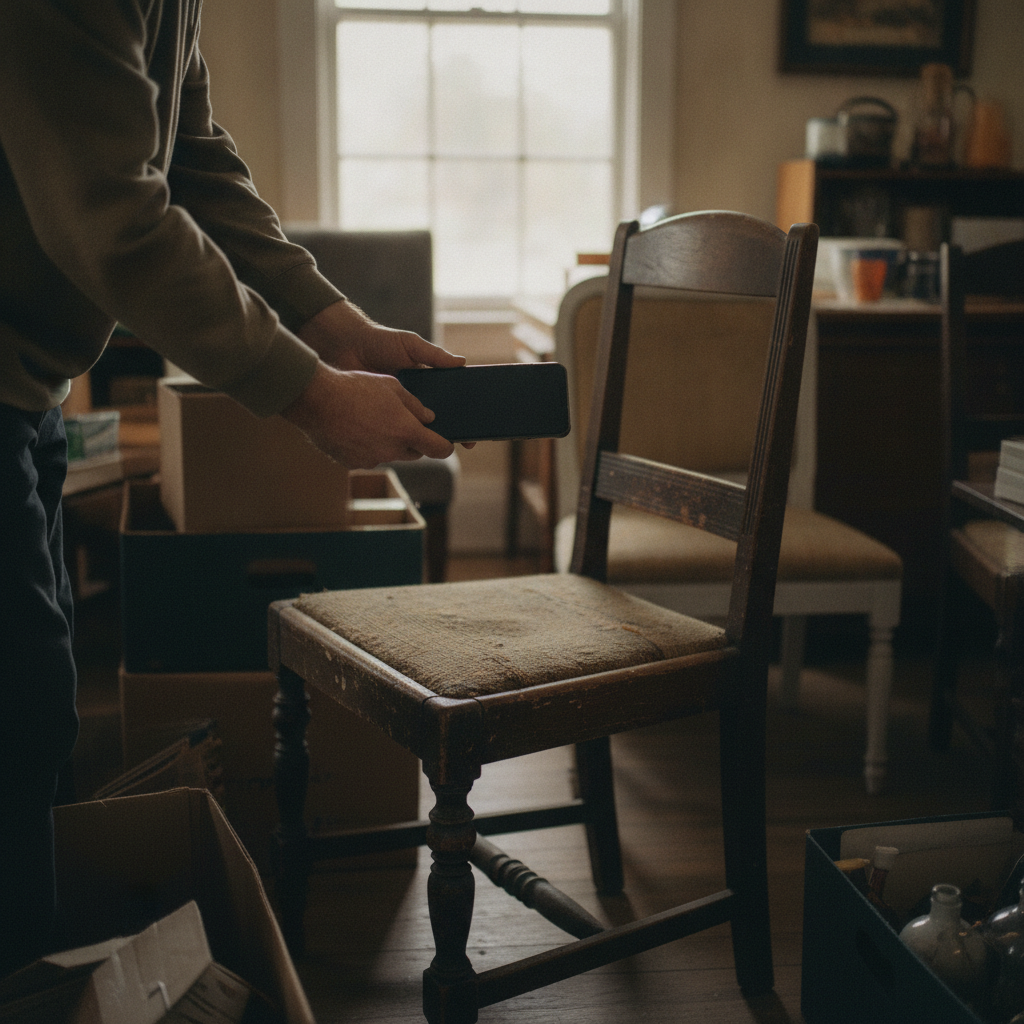
Searchers looking for a free antique appraisal app usually want the same thing: a trustworthy first read without booking a specialist trip. Free tools can educate; they cannot magically replace a signed appraisal.
Understanding Free Antique Appraisal App
Collectors approach free antique appraisal app with mixed goals: curiosity, profit, inheritance clarity, or design storytelling. Clarify your goal first. Educational AI ranges are excellent for triage and learning; certified opinions remain essential when money or law enters the room.
Physical evidence still rules. Photograph joinery, marks, wear patterns, and secondary surfaces. Tools like Antique Identifier organize those images into reports you can revisit, annotate via AI Expert chat, and file inside a Collection Cabinet.
Reproductions deliberately echo desirable forms. Compare fastener types, wear location realism, and material shortcuts. An antique identifier app that surfaces authenticity notes helps you know when to slow down.
Field Workflow That Actually Works
Capture whole-object and detail photos in daylight. Note measurements and any family stories immediately — memory fades faster than varnish yellows. Tag urgency: keep, sell, donate, or research further.
Run AntiqueAI Flash at markets; switch to Expert at home when you can stage better photos. Ask follow-ups about care and rarity. Export PDFs when coordinating with relatives or dealers.
Cross-check promising hits with recent auction comps in similar condition. Local taste can override national averages. Build a shortlist for human specialists rather than appraising your entire house in one weekend.
Interpreting Educational Value Ranges
Ranges express uncertainty and market spread, not cowardice. Condition grades, completeness, and regional demand shift both ends of a band. Treat midpoints as conversation starters, not invoices.
Insurance replacement often sits above flea-market asks. Liquidation sits below. Know which number you need before you argue with a range from any source — app, dealer, or book.
Document assumptions: currency, date of estimate, visible damage, and missing parts. Antique Identifier’s notes plus your own journal become a trail professionals can audit quickly.
Ethics and Expectations
Disclose AI-assisted opinions when selling if platforms or buyers expect transparency. Never present educational estimates as certified appraisals. Misrepresenting value or authenticity destroys trust and can create liability.
Respect cultural property rules and export restrictions when dealing with antiquities or sacred objects. Photo apps do not legalize transactions that require paperwork.
Educate younger collectors: craftsmanship literacy beats flipping hype. The best antique communities share knowledge generously and verify carefully.
Frequently Asked Questions
Is free antique appraisal app accurate on phones?
Clear photos and multiple angles materially improve AI and remote opinions. Complex objects still benefit from in-person review.
When should I hire a person?
High apparent value, contested estates, insurance scheduling, or inconsistent digital opinions.
Can I rely on one photo?
Rarely. Undersides, backs, marks, and scale shots matter.
Does Antique Identifier store my scans?
You can save History and Collection Cabinet items locally and optionally use iCloud backup; review the Privacy Policy for AI processing details.
Try Antique Identifier
Explore free antique appraisal app further with Antique Identifier on iPhone — scan, ask the AI Expert, and keep educational estimates clearly labeled while you decide what deserves a formal appraisal.